Table Of Content
- Schoolgirl working at McDonald's dragged round by her hair and stamped on the head
- Trichotillomania: Understanding the Hairpulling Disorder
- Learning how to manage skin picking and hair pulling.
- What it’s really like to have sex when you’ve got alopecia
- Study Reveals How Women Enhance Pleasure During Intercourse

Some cultures are ambivalent in relation to body hair, with some being regarded as attractive while others being regarded as unaesthetic. For example, many Muslim women cover their hair in public, and display it only to their family and close friends.[2] Similarly, many Jewish women cover their hair after marriage. During the Middle Ages, European women were expected to cover their hair after they married, and according to the New Testament, a Christian woman should cover her head while in a church or in prayer. So far, studies have shown that people with trichotillomania are more likely to also have ADHD. In one study that looked at people with trichotillomania, almost 1 in 6 also had ADHD.
Schoolgirl working at McDonald's dragged round by her hair and stamped on the head
Ease into the whole Sexual Hair pulling by kissing your partner on the neck or finding your own special spots on the way so that you’re both comfortable. Initially, it’s better to have a loose grip and you can raise the intensity from there as and when you feel. Although far more women than men are treated for trichotillomania, this may be because women are more likely to seek medical advice. In early childhood, trichotillomania occurs just as often in boys and girls.
Trichotillomania: Understanding the Hairpulling Disorder
In most cases, you can perform hair bondages if the hair is long enough due to the high grip, but you can also try erotic hair pulling with shorter hairs. If you are having problems in keeping the hair bondage for a long time, then you can spray some hair spray for a longer stay. Hair bondage can be used to secure a sub in place, such as a bedpost or ring. Moreover, hair bondage can be incorporated into a hogtie or used to undo an anal hook. In terms of sexual orientation, 10 of the 13 rough sex behaviors were clustered in the same way across heterosexual, gay and lesbian, and bisexual subgroups. Specifically, hair pulling, being pinned down, hard thrusting, throwing someone onto a bed, and tearing clothes off were all grouped into one cluster.
Louis van Gaal says Huth’s hair-pull is allowable only in ‘sex masochism’ - The Guardian
Louis van Gaal says Huth’s hair-pull is allowable only in ‘sex masochism’.
Posted: Sun, 01 May 2016 07:00:00 GMT [source]
Learning how to manage skin picking and hair pulling.
But, have you ever wondered what is the reason behind this sexual gratification? As the portion of the pain and pleasure are placed very close to each other in the brain, pulling hair sex gives massive sexual pleasure. But when pulling someone’s hair, the most important thing to remember is to get their consent first. Every woman doesn’t like their hair pull BDSM during sex in any way or touching hair.
What it’s really like to have sex when you’ve got alopecia
A fetishist may enjoy seeing or touching hair, pulling on or cutting the hair of another person.[3] Besides enjoyment they may become sexually aroused from such activities. It may also be described as an obsession, as in the case of hair washing or dread of losing hair. Arousal by head hair may arise from seeing or touching very long or short hair, wet hair, a certain color of hair or a particular hairstyle. Others may find the attraction of literally "having sex with somebody's hair" as a fantasy or fetish.[4] The fetish affects both men and women. If you love to play with your hair, sexual hair-pulling is one of the best ways to incorporate your hair fetish.
They might also look at your hair under a microscope to see if it looks like it's been pulled out and grown back or look at how much hair you are missing. They may take pictures of your bald patches to help track if treatment works over time. But, if you do not like rough erotic pulling, you can surely try caressing the hair in a more sensual way as there are many nerve endings that can be stroked in order to stimulate your partner’s feelings. Always try to pull a handful of hair as it can cause less discomfort and can give you more sensation, But do not try to pull the tips of her hair as it can cause pain and discomfort.
Excoriation Disorder (Skin Picking or Dermatillomania)
Other kinds of therapy such as ACT and dialectical behavioral therapy (DBT) have also shown promise, especially when combined with HRT. While no treatment has been found to be universally effective, some show great promise and may deliver lasting relief. Cognitive behavioral therapy (CBT), coupled with habit reversal training (HRT), is currently thought to be the most effective approach for treating TTM. Researchers have found that individuals who are reluctant to seek conventional treatment may benefit from Internet-based interventions or support groups. While no medications are approved as a first-line treatment for TTM, some antidepressants, antipsychotic medications, and cannabinoid agonists have shown promise in limited studies. Many people who have trichotillomania feel embarrassed or ashamed to let other people know they pull.
Q: What are the reasons people experience hair pulling?
Like the urge to pull for people with trichotillomania, they can be very hard or impossible to ignore. OCD is a mental health condition that causes overwhelming thoughts that are hard to move on from, called obsessions. These obsessions lead to compulsions, which are actions that you can't stop yourself from doing over and over. People with OCD often feel anxiety or fear about their obsessions. For example, someone might worry obsessively about things being out of order and feel a compulsion to arrange their things in a certain order.
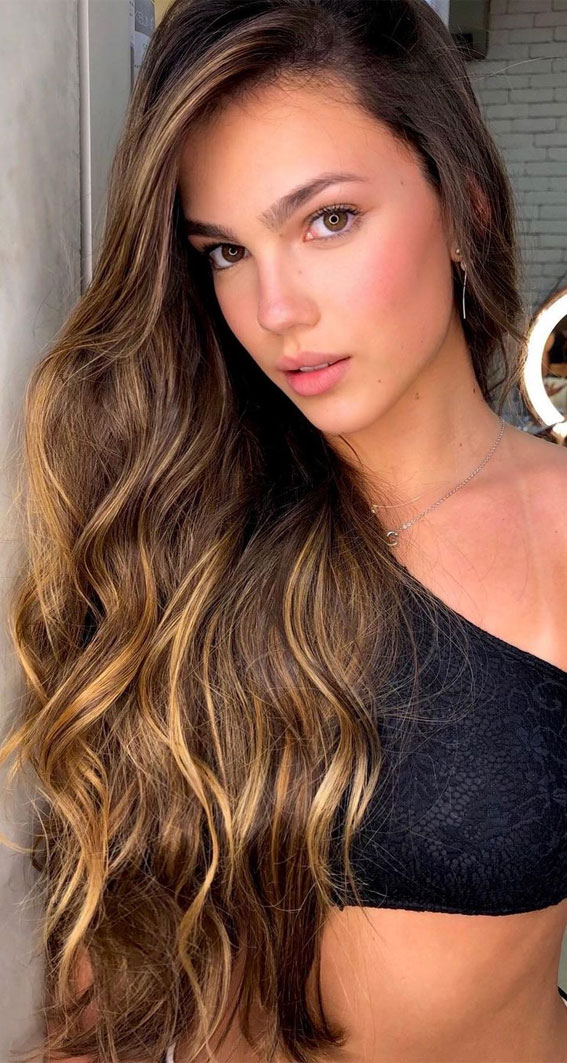
Ladies, do you like your hair pulled?

For some individuals, hair pulling can also be a form of self-harm or a symptom of a more serious mental health condition. It is important to recognize that hair pulling behavior can have both physical and emotional consequences, and that seeking professional help may be necessary in some cases. Currently, no medications are specifically approved for the treatment of trichotillomania. However, some patients have benefited from antidepressants—especially if comorbid anxiety or depression are present—or other psychiatric medications, including atypical antipsychotics.
To warrant a TTM diagnosis, the hair loss must not be attributable to other medical conditions. In some cases, clinicians will examine patterns of hair loss to determine the disorder’s severity or rule out other possible causes. The most common age of onset is in preadolescents to young adults. On average, it is typically between 9 and 13 years, with a peak between 12 and 13 years. [2][3] It is possible that hair pulling may be seen in infants, but this behavior typically resolves during early development.
Hair pulling can be painful, uncomfortable, and even traumatic for some individuals. It can also lead to feelings of disrespect, objectification, and violation. Overall, understanding hair pulling behavior requires a nuanced and context-dependent approach. By considering the psychological and cultural factors that can influence this behavior, we can gain a better understanding of what it means and how to respond appropriately. Hair pulling during intimacy is a common behavior among couples, and it can be a way to add excitement and intensity to the experience.
It can be a way to increase arousal, add excitement, and enhance intimacy. It can also be seen as a form of dominance or submission, depending on the individuals involved and their preferences. In conclusion, decoding body language can be a useful tool in understanding a person’s intentions. When it comes to hair pulling, it is important to consider the context and other cues before making any assumptions. By being aware of these subtle cues, you can better navigate social situations and protect yourself from potential harm. It is important to note that body language is not always a reliable indicator of a person’s intentions.
Other people say they feel itchiness or tingling in the area they pull on, and pulling helps get at the itch. Some people with trichotillomania have rituals or routines related to hairpulling, like choosing which hair to pull or smelling, looking at, playing with, or eating hair you pull out. Many people also enjoy the sensory experience of the rituals they develop around hairpulling.
It is possible for someone to use a seemingly innocent gesture like hair pulling to mask their true intentions. Therefore, it is important to pay attention to other cues such as tone of voice, facial expressions, and overall behavior. Hair pulling behavior can also be influenced by cultural factors. In some cultures, hair pulling is a common form of affectionate play between friends or romantic partners. In other cultures, hair pulling may be viewed as a sign of aggression or disrespect.
It’s commonly believed that skin picking and hair pulling are a result of stress and anxiety alone. But while this is true in some cases, they can also occur while you are simply bored. Pulling hair sex can give you a very passionate and amorous experience when performed safely. Hair-pulling sex can be really rough and can cause serious damage to your scalp and brain when done very roughly. So, always try to communicate with your partner how they are feeling and what ways they want to try.



No comments:
Post a Comment